The work phase involves the dredging of sediments and the removal of logs and woody debris.
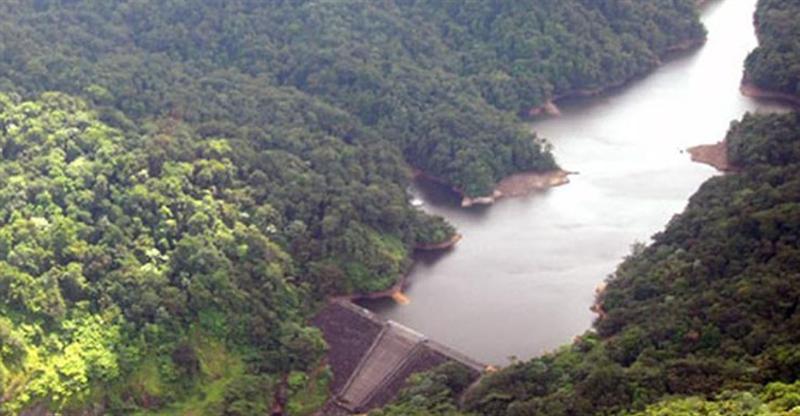 The Water and Sewerage Company (WASCo) Inc. has completed the first phase (the study), for the John Compton Dam De-silting and Rehabilitation Project.
Requests for proposals (RFPs) have been sought from two prequalified firms to undertake the second phase of the project (the work).
On Nov. 4, WASCo held a pre-bid meeting with the pre-qualified firms. The deadline for the submission of proposals from them, is Dec. 16.
The public is reminded that the cost of the study, US$601,386, was funded partly with grant funding from the Caribbean Development Bank (CDB) in the amount of US$150,000 and the German government agency, Gesellschaft fur Internationale Zusammena (GIZ), through the Caribbean Aqua Terrestrial Solutions Program in the amount of 100,000 Euros. The balance of the contract sum was paid out of the John Compton Dam Dredging Fee Account.
The study benefitted substantially from an earlier contribution by the German government through a consultancy which advised on the siltation problem at the John Compton Dam and considerations for sediment removal and management.
The rehabilitation plan to be implemented in the work phase involves the dredging of sediments by suction dredging, and depositing the sediments in a properly engineered "laydown area" approximately one kilometer downstream of the reservoir. Dredging will be carried out in the wet/rainy season annually.
A volume of 1.5 million cubic metres of sediment is in the reservoir plus a significant volume of woody debris.
The other key components of the project include the stabilization and rehabilitation of the upper catchment areas of the reservoir; the development of supplementary water sources to augment the supply from the reservoir; the reinstatement of the spillway wing-wall and restoration of teh dam outlets; the installation of monitoring equipment; and the implementation of an environmental and social plan. A climate vulnerability assessment for purposes of ensuring resilience is incorporated in the recommendations.
The entire process has been carried out in keeping with the Caribbean Development Bank (CDB) procurement rules which require 'no objections' from the CDB before proceeding from one stage to the next. It also requires all submissions to be received and opened by the Central Tenders Board and the approval of that Board to undertake the stages.
WASCo has satisfied all the requirements of the CDB rules and the Central Tenders Board, and therefore has progressed the project to the current work phase.
The CDB has approved a loan in the amount not to exceed US$14.798 million, made up of provisions from the Inter-American Development Bank (IDB), European Investment Bank (EIB) and CDB, for financing the early years of the project.
It has become necessary for WASCO to state very clearly, the following: there has been no contract awarded previously for the work phase nor has there been any contract awarded to date for the works phase of the project. There is no German company which has been invited to undertake the work nor has any German company been awarded any contract for the works. The amount to undertake the work will be known only after the evaluation of the proposals from the pre-qualified firms is carried out and a 'no objection' award is made to the successful pre-qualified firm. The German government has made a substantial contribution to Saint Lucia for the study of the sedimentation of the John Compton Dam and this contribution is greatly appreciated. Every effort is being made to continue ongoing partnerships with the German government in the areas of non-revenue water reduction and water storage in vulnerable rural communities to enable some resilience to extreme weather events.